Your cart is empty
Already have an account? Log in to check out faster.
Already have an account? Log in to check out faster.

To better understand your baby's normal temperature behavior, pay attention to the following:
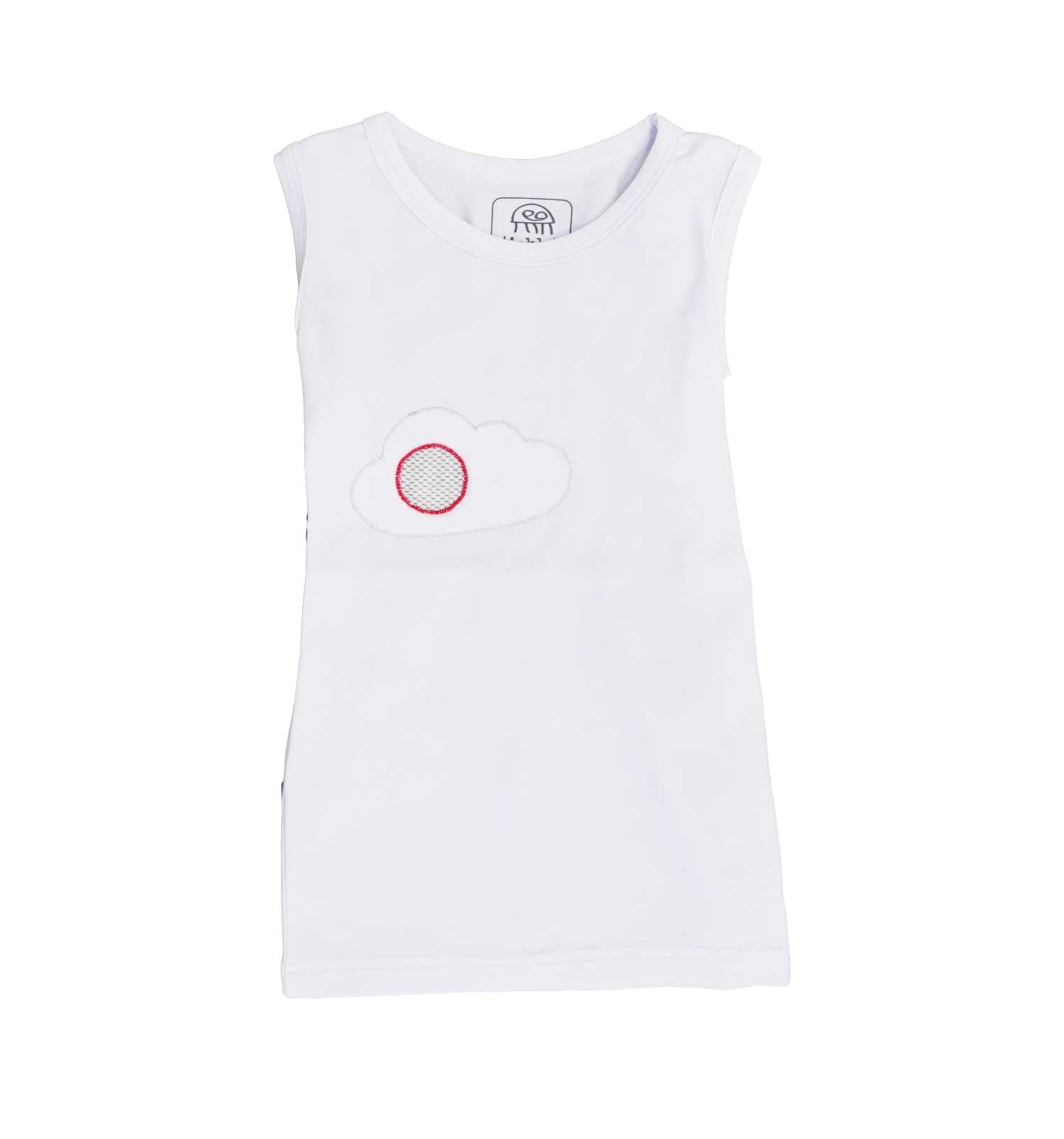
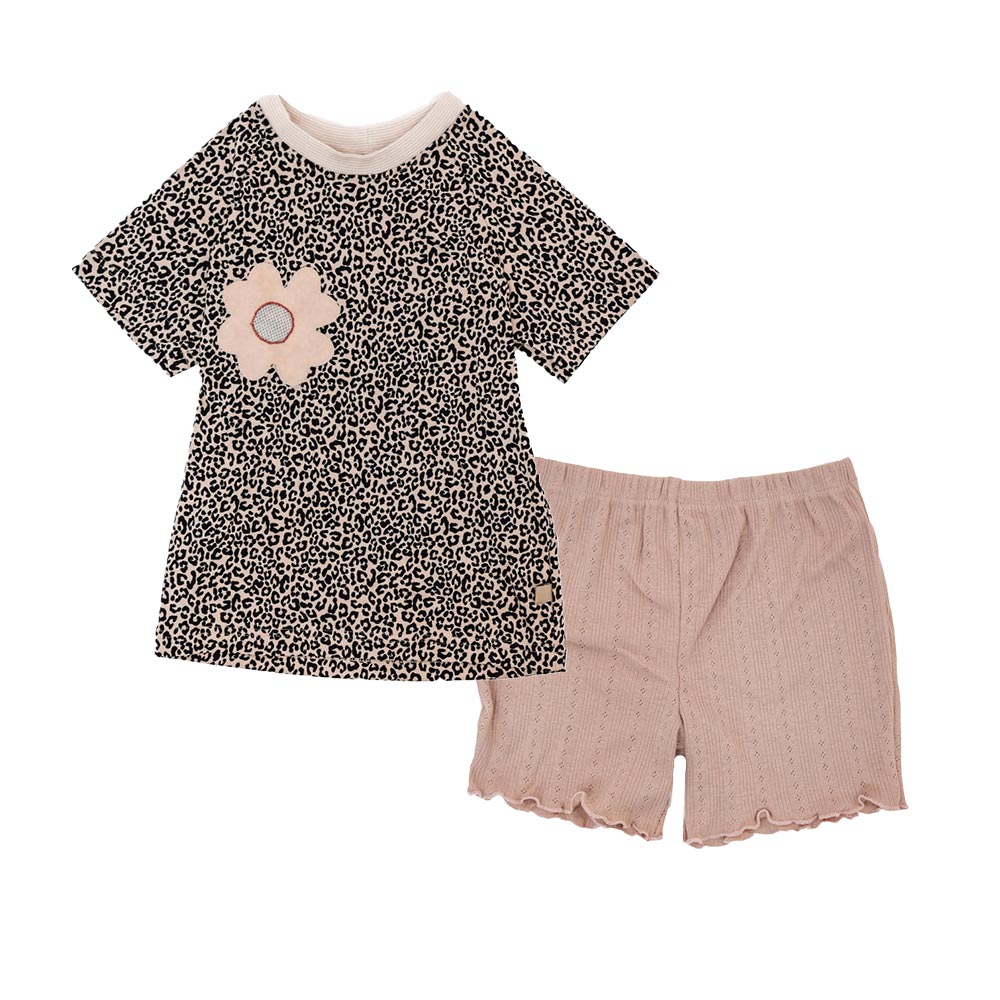
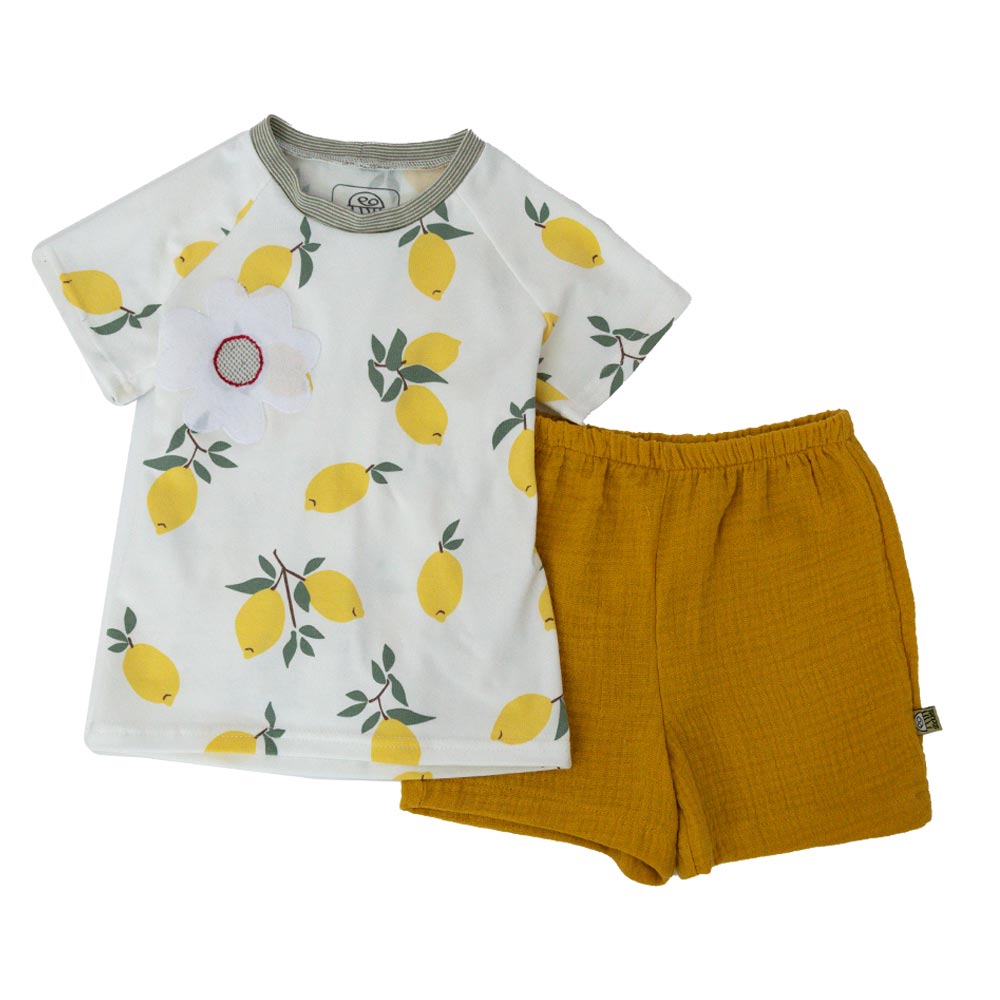
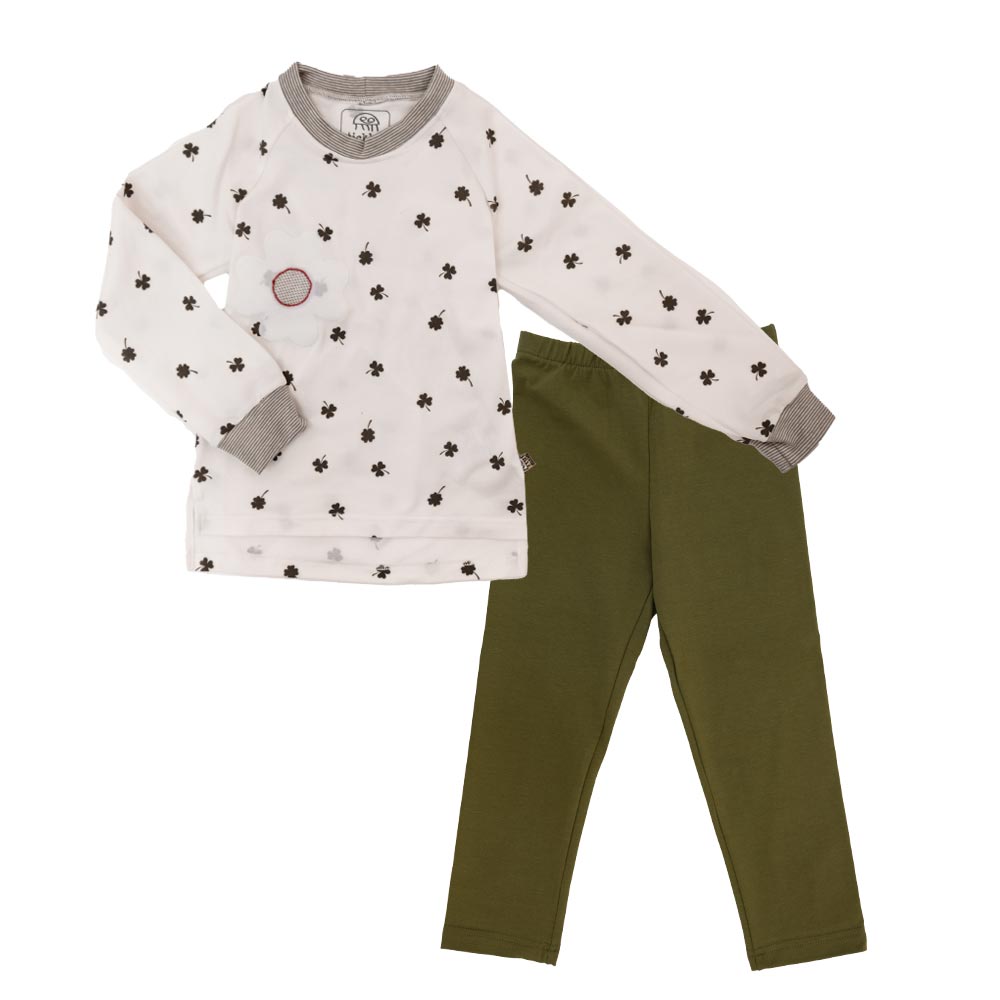
Especially when the thermometer shows a bit more or less, uncertainty and worries quickly arise. The truth is: fluctuations are completely normal – it's important to understand the connections. MARY by sticklett, the vital Sensor System, helps you to recognize what is normal for your child and when a change occurs.
For babies, the following reference values apply:
Important: These values are not fixed limits, but rather guidelines.

A child's immune system is constantly learning. This can lead to temporary temperature increases without an infection breaking out. Often, children are warmer without being sick.
The reason: Their thermoregulation is still immature. The body reacts faster and stronger to external influences.
Typical causes of fluctuations are:
Teething, growth spurts, excitement, and emotional closeness (lots of physical contact) can also lead to slight temperature increases.
Instead of being alarmed by a single value, it is much more telling to see:
Not every elevated temperature is a fever – and not every number is a warning sign.
A cheerful, active child with a slightly elevated temperature is usually healthy. Context and the trend matter more than a single value; MARY by sticklett helps you with this.

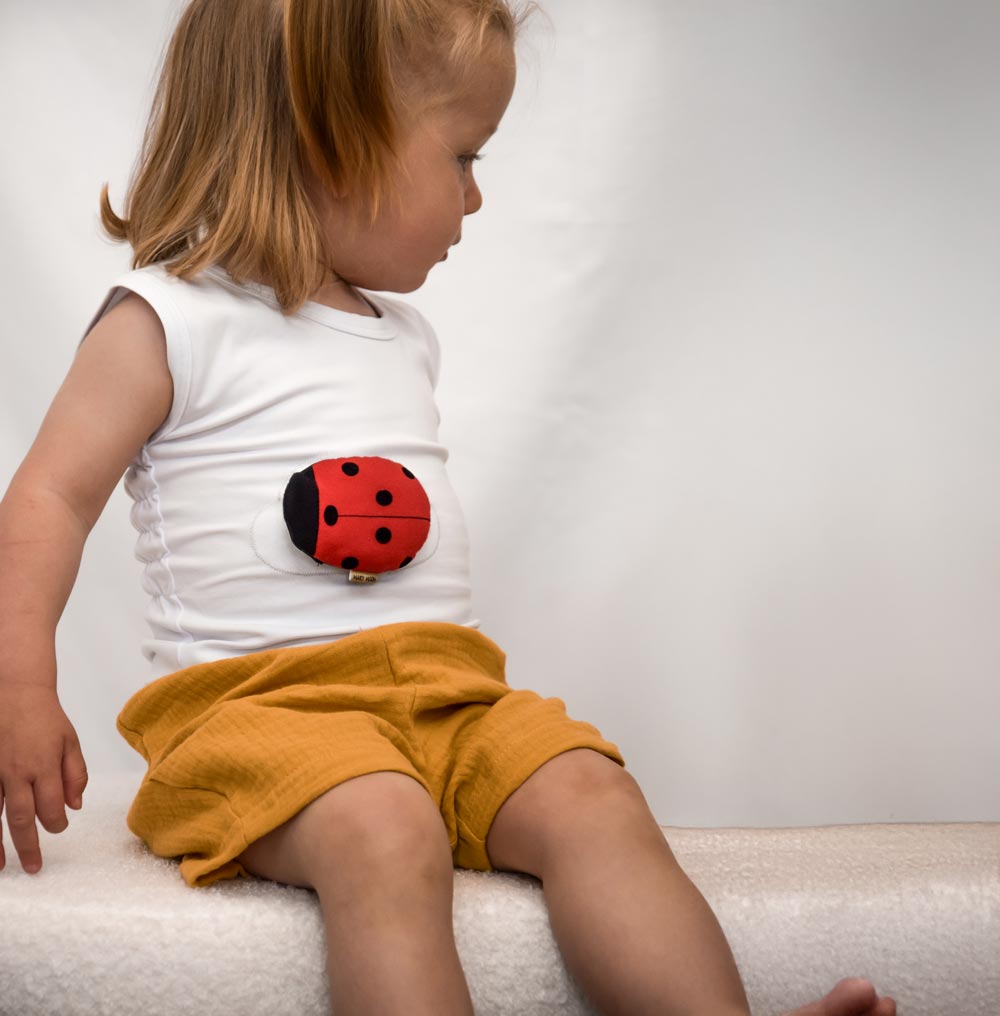
Regular temperature measurement with a conventional thermometer can often be difficult. With MARY by sticklett you can easily keep track of the temperature curve, thanks to automatic and regular measurements, comfortably and conveniently for you and your child.

This makes it easier for you to decide whether it's a usual temperature fluctuation or a real fever.